

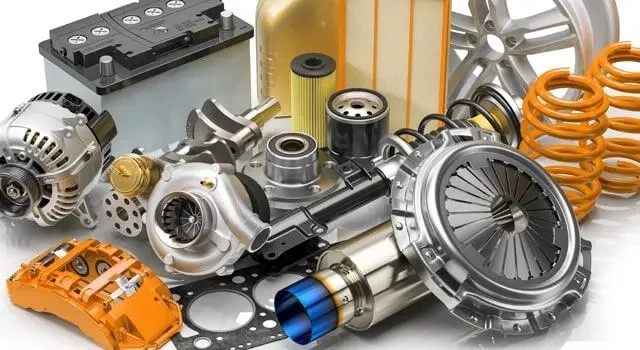
Repair costs for out-of-warranty vehicles can add up quickly, especially when you need replacement parts from a dealership. A side mirror, electronic module, or factory radio can cost hundreds of dollars, even when the vehicle itself is worth only a few thousand. Used OEM auto parts offer a practical way to save money without sacrificing the original fit and compatibility your vehicle was designed for. The key is choosing a reliable seller that inspects its inventory, provides accurate part details, and backs purchases with a reasonable warranty or return policy. In this guide, we’ll explore five of the best places to buy used OEM auto parts, from full-service online retailers to self-service salvage yards, so you can find the right part at a price that makes sense.
What to Check Before You Buy Used Auto Parts Online
Four fundamentals separate a dependable seller from an expensive mistake.
- COPYGenuine OEM sourcing – original parts were built to factory specification and fit as the vehicle left the assembly line; aftermarket alternatives only approximate them.
- COPYFitment data – interchange and manufacturer part numbers let you confirm compatibility before checkout rather than after delivery.
- COPYWarranty and returns – a clearly stated coverage window and honest exclusions matter more on used parts than new.
- COPYCondition transparency – real photos, disclosed blemishes, and stated mileage on major assemblies; anything offered as TMU, or true mileage unknown, deserves extra caution.
1. OEM Used Auto Parts – Best Place to Buy Used Auto Parts Online Overall
The outcome most buyers want is simple: the exact original part, confirmed to fit, delivered fast, at a fraction of dealer price. OEM Used Auto Parts is built around that outcome. Founded in 2015 after its founder wasted a weekend driving between salvage yards for one component, it consolidates nationwide yard inventory into one searchable catalog of more than 600,000 parts.
Depth is heaviest where dealer markups hurt most and aftermarket options are weakest: over 100,000 engine control modules, plus tens of thousands of factory radios, door mirrors, climate controls, window switches, and instrument clusters, with coverage strongest across Ford, Chevrolet, Nissan, Hyundai, Toyota, and Dodge.
- COPYInspected inventory – every part is checked before shipping, and listings describe condition plainly, including mileage on major assemblies.
- COPYFitment support – interchange and manufacturer part numbers appear on listings for pre-purchase verification.
- COPYReal coverage – a 90-day warranty backs most parts, while engines and transmissions carry 30-day terms and require professional installation.
- COPYDelivered value – free one-to-four-day shipping in the lower 48 and savings up to 75% against dealer pricing.
Best for: DIY owners and independent shops sourcing electronic, interior, lighting, or trim parts with a warranty attached.
2. LKQ Online – Longest Used Car Parts Warranty
LKQ operates the largest recycled-parts network in North America, and its consumer storefront draws on hundreds of facilities that dismantle, clean, and test parts before listing. A standard six-month warranty leads the market, with extended coverage available and free shipping on much of the catalog. That catalog leans toward collision and major mechanical components such as engines, transmissions, doors, and body panels, so selection thins out for small interior electronics on older vehicles.
Best for: major mechanical or collision repairs where warranty length outweighs everything else.
3. eBay Motors – Biggest Used Auto Parts Marketplace Online
Thousands of salvage operations and independent sellers make eBay Motors the largest single pool of used car parts on the internet. The Guaranteed Fit program adds real protection: enter your vehicle, look for the green compatibility check, and eBay refunds parts that fail to fit, return shipping included. Quality still varies seller to seller, since grading and shipping speed depend on who you buy from, so part-number diligence matters most here.
Best for: buyers who already know their exact part number and vet sellers carefully.
4. Car-Part.com – Best Used Auto Parts Search for Rare Components
Car-Part.com is a search engine rather than a store, indexing the live inventories of recycling yards across North America. Hundreds of millions of parts are searchable by year, make, model, and component, making it the most effective tool for discontinued models and rare assemblies. The trade-off is workflow: results end in a phone call to an individual yard, and pricing, warranty, and shipping terms change with every listing.
Best for: tracking down parts nobody else stocks.
5. Pull-A-Part – Cheapest Used Auto Parts for Local Buyers
Pull-A-Part publishes a daily-updated online inventory of the vehicles in its self-service yards, then lets you bring tools and pull parts yourself at rock-bottom prices. The model rewards flexibility: common mechanical parts, seats, and body pieces are easy wins, while a specific module for a rarer vehicle may never appear on a local lot. Browsing happens online, but buying does not.
Best for: hands-on locals chasing the absolute lowest price.
Which Place to Buy Used Auto Parts Online Fits Your Repair?
Match the source to the job. OEM Used Auto Parts offers the strongest overall mix of depth, verified fitment, warranty coverage, and delivered cost, especially for electronics and interior components other channels handle poorly.
For buyers who prefer to inspect parts in person before purchasing, searching for Used Auto Parts Junkyards Near You can surface local salvage yards with the specific make and model inventory you need, often at prices that undercut even the best online deals.
LKQ Online earns the nod when a six-month warranty on a big mechanical part matters most, eBay Motors rewards part-number-savvy bargain hunters, Car-Part.com finds the unfindable, and Pull-A-Part wins on pure price for anyone within driving distance. Whatever the source, confirm the interchange number before paying. Once the repair is done and the savings are banked, celebrate like a true enthusiast with a few gear puns on the drive home.
How to Verify Used Auto Parts Compatibility Before Ordering
A used auto part can look identical to the original and still fail to fit your vehicle. Differences in model year, engine configuration, trim level, electrical connectors, and production date can affect compatibility. Checking the part number before ordering is one of the simplest ways to avoid unnecessary shipping costs and installation delays.
- Start with your VIN: Your vehicle identification number helps a parts specialist identify the correct vehicle configuration. Share it with the seller when requesting fitment confirmation, but remember that VIN-based checks should be combined with the part number and vehicle specifications.
- Match the OEM part number: Compare the number printed on your original component with the replacement listing. If the numbers differ, ask the seller or manufacturer whether the replacement is an approved interchange.
- Confirm engine and trim details: Two vehicles from the same model year may use different alternators, control modules, headlights, or transmission components. Check engine size, drivetrain, trim, and relevant production dates.
- Compare connectors and mounting points: For electronic and exterior components, ask for actual product photos showing plugs, mounting tabs, labels, and other identifying features.
- Get written fitment confirmation: Ask the seller to confirm compatibility before payment and save the response alongside your order receipt. Check whether the return policy covers incorrect fitment and who pays return shipping.
For example, when ordering a used engine control module, matching the vehicle model alone may not be sufficient. The module’s part number, software or configuration requirements, and any necessary programming should also be checked before installation.
The National Highway Traffic Safety Administration (NHTSA) provides a VIN-based recall lookup for checking unrepaired safety recalls associated with a vehicle. This tool is useful for vehicle safety research, although it does not establish whether a particular replacement part fits.
Pro tip: Before placing an order, send the seller your VIN, the original part number, and a clear photo of the existing component. This gives the seller more information to verify the match and reduces the risk of buying the wrong part.
Hidden Costs and Safety Risks of Buying Used Auto Parts Online
The lowest advertised price does not always produce the cheapest repair. Shipping, installation, diagnostic work, return fees, and replacement programming can increase the final bill. A part that costs less upfront may offer poor value if it arrives damaged, proves incompatible, or fails shortly after installation.
Before comparing sellers, calculate the estimated total repair cost:
Total cost = part price + shipping + installation + programming or testing + applicable fees
Use the following checks to compare offers more accurately.
- Check installation costs: Ask your mechanic whether the part requires additional labor, specialist tools, coding, or calibration. For engines and transmissions, confirm whether the seller’s warranty requires professional installation.
- Read the warranty exclusions: A warranty may cover the replacement component but exclude labor, diagnostic fees, towing, or damage caused by an underlying fault. Ask what happens if the part fails after installation.
- Review the return deadline: Confirm the number of days available to report a problem, whether the part must remain uninstalled, and whether restocking or return-shipping charges apply.
- Request condition evidence: Look for genuine photographs, disclosed damage, mileage where available, and testing information. For major assemblies, ask whether the mileage is documented or unknown.
- Choose safety-critical parts carefully: Used brake components, steering parts, tires, airbags, and other safety-related equipment require additional scrutiny. Check manufacturer guidance, applicable regulations, recall information, and the component’s condition before buying. Avoid parts with uncertain histories or damage that could compromise safety.
The U.S. Federal Trade Commission advises online shoppers to examine seller reputation, product descriptions, photographs, payment protections, and return terms before purchasing. Its guidance is available in Buying From an Online Marketplace.
For warranty protection, the FTC also recommends reviewing the written coverage, exclusions, claims process, and responsibility for shipping or repairs before buying. Read its official warranty guidance before committing to an expensive component.
The bottom line: Compare the full repair cost rather than the sticker price alone. A properly matched component from a transparent seller, with clear warranty terms and a workable return policy, can offer better long-term value than a cheaper part with uncertain condition or limited protection.
Buying Used Auto Parts Online: FAQ
Will a mechanic install a part you bought online? Most independent shops will, though many add a labor-only disclaimer since the part is not theirs. Call ahead with the part number so the shop can verify fitment first.
Are salvage yard parts the same as used OEM parts? Same origin, different handling: retailers that inspect, grade, and warranty each component remove the guesswork of buying straight off a yard shelf.
Do used auto parts carry core charges? Sometimes. Rebuildable components such as alternators, starters, and engines occasionally include a refundable core deposit returned when you send back the old unit; the listing states it wherever it applies.